
First, potassium fertilizer significantly enhances crop resistance to adverse conditions. Potassium is an activator of many enzymes in plants, participating in key physiological processes such as photosynthesis, respiration, and nitrogen metabolism. When crops absorb sufficient potassium, their cell walls thicken, and cell sap concentration increases, thereby improving their resistance to drought, cold, disease, and lodging. The effect of potassium fertilizer is particularly pronounced under adverse conditions such as drought or cold, helping crops better adapt to the environment and reducing losses.
Second, potassium fertilizer has a significant effect on improving crop yield and quality. Potassium promotes photosynthesis, increasing the accumulation of photosynthetic products and thus increasing crop yield. Simultaneously, potassium fertilizer improves crop quality, such as increasing the sugar content of fruits and the vitamin content of vegetables. For cash crops, the application of potassium fertilizer can significantly enhance their market value. For example, in tobacco cultivation, potassium fertilizer increases the potassium content of tobacco leaves, improving their combustibility and flavor quality; in fruit tree cultivation, potassium fertilizer promotes fruit enlargement and coloring, improving the marketability of the fruit. In addition, potassium fertilizer has a good soil-improving effect. Potassium can interact with other elements in the soil to form a stable soil aggregate structure, thereby improving soil physical properties such as aeration and permeability. Simultaneously, potassium fertilizer can regulate soil pH, maintaining a suitable pH range and providing a favorable soil environment for crop growth.
When applying potassium fertilizer, it is important to apply it rationally according to the crop type and growth stage. Different crops have different potassium fertilizer requirements and timing, so the application amount and timing need to be determined based on specific circumstances. Furthermore, potassium fertilizer can be applied in various ways, such as as a base fertilizer or as a top dressing during crop growth.
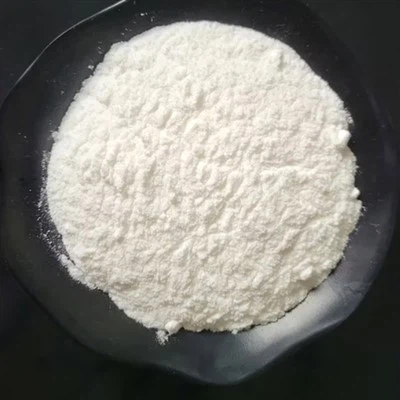
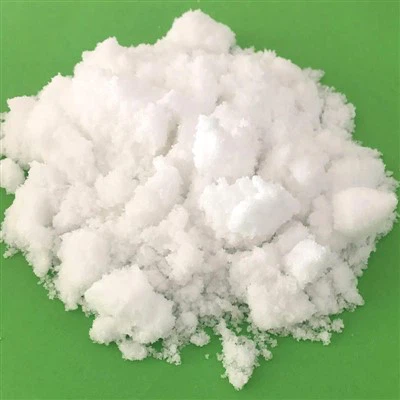
There are many types of potassium fertilizers on the market, commonly including potassium chloride and potassium sulfate. These potassium fertilizers differ in composition, price, and application effects. For example, potassium sulfate is a fully water-soluble potassium fertilizer with a high content of active ingredients, easily absorbed and utilized by crops, and has fewer side effects on soil and crops, therefore it is widely used in practice.